
Programmatic Out of Home Advertising: What is it and How Does it Work?
The programmatic advertising industry has long been the solution for much of what we see in-home and online. It’s only been recently (within the last three years or so) that programmatic advertising has really been introduced in the out of home advertising arena

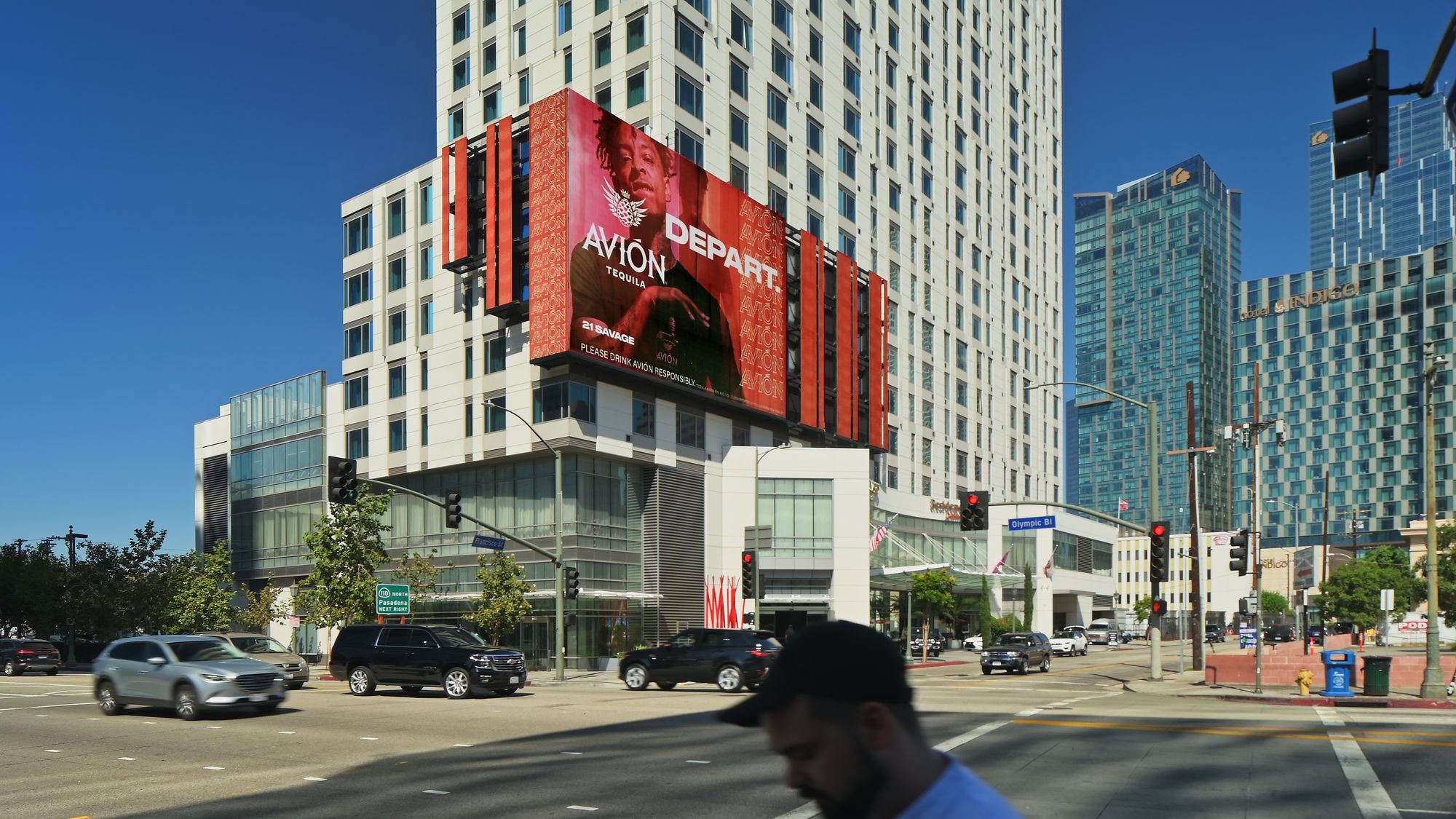
The programmatic advertising industry has long been the solution for much of what we see in-home and online.
It’s only been recently (within the last three years or so) that programmatic advertising has really been introduced in the out of home advertising arena, however, since its inception it has grown exponentially in popularity thanks to its ability to save time and money and generate a more successful advertising campaign than previous methods allowed.
Programmatic out of home advertising, simply put, is a digital out of home (DOOH) advertising campaign that is fully automated, from start to finish.
This means that available media DOOH inventory is bought and sold through a fully automated process, and the specific advertisement that is run is determined by certain preselected settings placed by the advertiser.
This system of parameters, set by both buyer and seller, ensures the advertising campaign the buyer wishes to run reaches more of its intended audience, and the content displayed on the seller’s OOH media inventory is consistent with content that experiences the most success.
Essentially, a seller is able to use the same type of technology that has been used online for years in an out of home campaign.
When considering planning an ad campaign, programmatic out of home advertising is already a massive time saver.
Programmatic advertising means that an advertiser no longer needs to contact individuals out of home media owners to negotiate price, determine availability, and discuss terms of an ad campaign.
Subsequently, the media owner no longer needs to manually program and schedule the ad campaign once a contract has been negotiated.
Think of it like booking a vacation: years ago you would need to contact different airlines to check the best rates and book your flights, search for a hotel with availability and book your stay, plan all of your excursions with various travel servicers, etc.
Now, you can book an entire vacation by simply using one website that collects data from external feeds based on the search criteria you entered (i.e.: vacation July 1-7 to Jamaica from Orlando). Instantaneously, you are given the best options based on your search parameters, and you can book your entire excursion in minutes.
How is Programmatic Out of Home Advertising Bought and Sold?
Much like the above example, programmatic outdoor advertising works by connecting numerous media sellers with numerous media buyers.
An advertiser enters parameters specific to a particular campaign they wish to run into an automated system.
When a media seller has available inventory that meets this criteria, the advertiser purchases it automatically and their ad is displayed immediately.
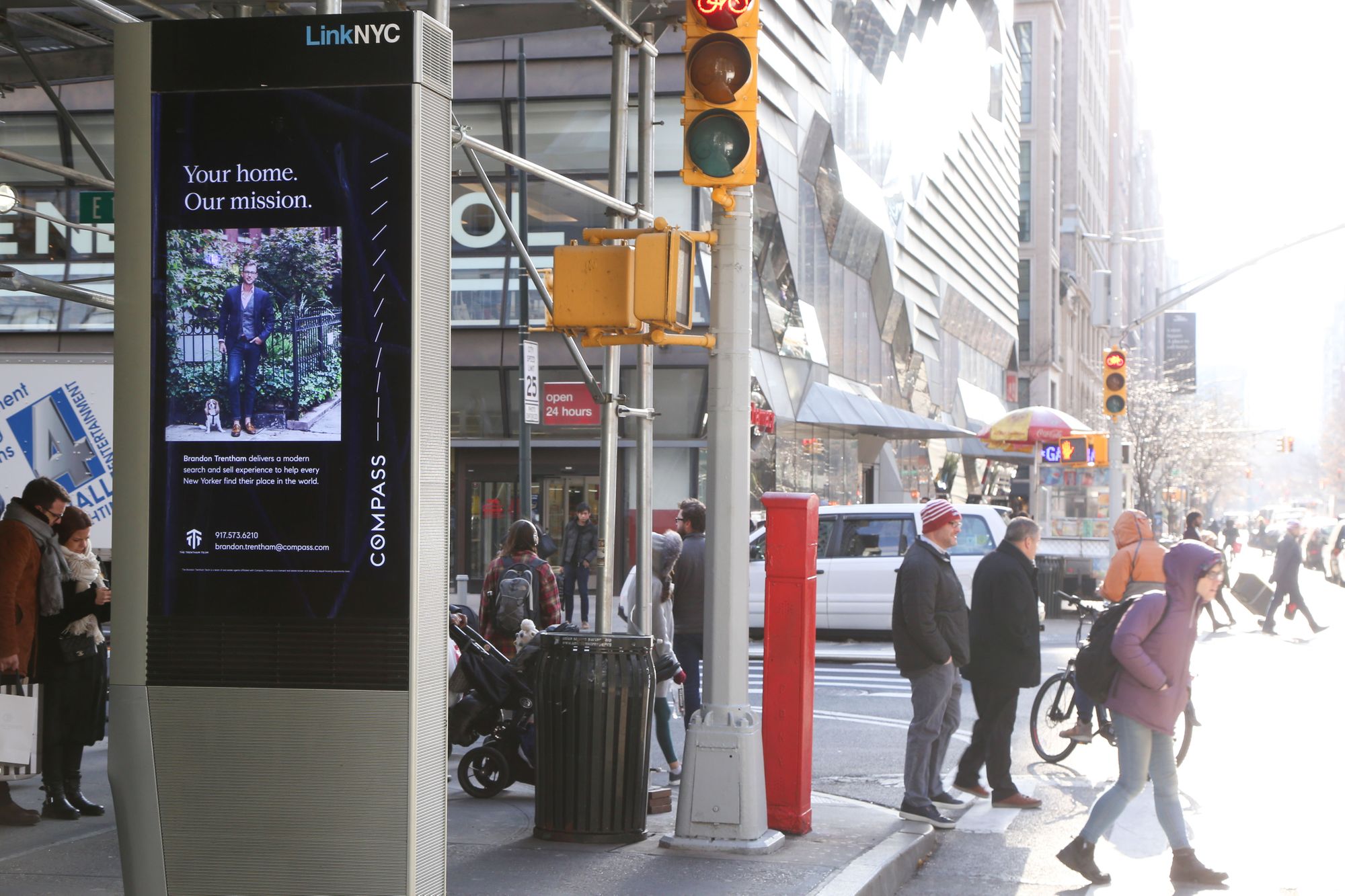
This happens in two main forms; real-time bidding and direct sale. Both have advantages to the media owner and seller which is why programmatic technology works so well; both seller and buyer benefit from the use of an automated system.
- Real-Time Bidding (RTB). In this method of conducting a programmatic sale of digital out of home advertising, a media owner with available inventory places it for sale in what amounts to an online auction. The media is offered up to the highest bidder, and the winning bidder then has their ad displayed on the inventory. This entire process happens in less than a second.
- Programmatic Direct. Programmatic direct advertising is media inventory that is sold directly to private buyers who have been allowed to purchase through a particular network. This allows the media owner a bit more control over what content is displayed on their inventory.
It’s important you use a reputable, knowledgeable company like AdQuick to manage your programmatic out of home advertising campaigns. Their data-driven, results-oriented software has produced some of the most successful campaigns for some of the largest companies nationwide.
AdQuick’s analytics can track how successful your campaigns are, and make necessary adjustments, saving you time and money.
What are the Benefits of Programmatic OOH Advertising?
Programmatic DOOH advertising allows an advertiser to take full control of their traditional ooh advertising campaigns.
It allows them to fully optimize their advertising portfolio and make the most of their digital marketing budget by using external data sources or “triggers” to determine which ads to run, where to run them, and when to run them.
When an advertiser is able to have this much control of their campaign, they can do audience targeting and ensure they are only paying for digital advertising inventory that will definitely result in the desired amount of impressions they want.
Let’s look at an example.
A local coffee shop and wine bar decides to run an advertising campaign that utilizes a digital display bulletin board a mile away from its location. Once they have purchased the media, they can now programmatically determine which ads they run on that media and when, based on numerous available external data feeds.
They’ve decided to use time of day as a trigger. They would like to push their newest espresso blend coffee during morning rush hour, so an advertisement featuring the coffee runs from 7:00 a.m. to 9:00 a.m. on the media on workdays.
During evening rush hour, they promote their happy hour wine specials.
They also decide to rely on weather data as a trigger for their campaign. Anytime the outdoor temperature dips below 50 degrees, an ad runs promoting their hot chocolate.
By purchasing only one screen, the coffee shop has effectively advertised multiple products, multiple times, to multiple target audiences, and they’ve only paid for the amount of views they actually wanted and when.
That’s much more of a fine tuned reach than a static advertisement can offer.
Because of the success of their initial programmatic out of home advertising campaign, the coffee shop decides to purchase additional media space, and now runs ads on a digital screen or digital billboard located on the side of a bus shelter.

The bus shelter ad space is located on the opposite side of the city. The coffee shop purchased views on the digital bus shelter screen that are only viewable in the fifteen minute window prior to the arrival of the bus that will carry the awaiting passengers in the bus shelter to the bus station located next door to the coffee shop.
The external trigger used in this programmatic digital OOH advertising scenario is the city bus schedule. The coffee shop does not spend money on ad space in the bus terminal any other time day, yet they’ve reached an audience of new customers who, though they do not live near the coffee shop, may now patronize it because of the advertisement. Additionally, if the bus schedule changes (if the bus is delayed, or not in service) their ad runs later, or does not run at all. Their ad hinges on the daily bus schedule.
Programmatic out of home advertising allowed the coffee shop to display advertising that was timely, noticeable, and impactful for the consumers who viewed them.
Programmatic out of home advertising can also help keep advertisements relevant.
It’s one thing to buy a single billboard poster advertising a peppermint latte in December, but if that advertisement runs through January, regardless of whether or not the latte is still available, sales will likely decrease because the ad is no longer relevant. If the seller uses programmatic out of home advertising, they can choose to run an advertisement for the peppermint latte only through December 31, and perhaps switch to an ad that features a low-calorie beverage and healthy breakfast option beginning January 1.
Where Can I Buy Programmatic Out of Home Advertising?
It’s best to leave this to AdQuick's new programmatic DOOH DSP offering.
In many cases, using an advertising platform is the only way you’ll be able to access the programmatic media you want, if you’ve already got a laser-focus on which pieces of inventory you desire.
If your scope is a bit broader, it’s important to use an agency that has the largest inventory of media owners so that you can be certain you are getting the best inventory available for your ad campaign. Allowing a platform like AdQuick to manage your campaign saves you time and headache and allows you to focus on other, more important aspects of your business.
Additionally, using a media platform ensures you always get the best price available for your ad. Working congruently with programmatic advertising, a brokerage is able to adjust the parameters of your campaign to ensure you are getting the best price available for the media space you are using, every single time your ad runs. This saves an immeasurable amount of manpower and ensures you never go over budget on your campaign.
Using a media platform company that provides analytics for your campaigns is crucial. Otherwise, it can be impossible to determine the success of a particular campaign.
Reviewing analytics mid-campaign can help you adjust your parameters and make necessary changes to stay relevant and ensure proper responses to changes in data feeds.
Post campaign analytics review is a powerful tool that shows what worked well, what needed adjustment, and how the money invested on the particular campaign generated direct response and drove brand awareness.
Programmatic out of home advertising is the out of home advertising way of marketing to consumers in real-time with engaging, relevant content.
It’s a hassle free way of programmatic buying and selling out of home media that saves time and money by delivering more impactful advertising based on external triggers you, as the advertiser, decide to use. Programmatic out of home advertising puts you in the driver’s seat of your advertising campaign, without giving you the headache of negotiations and requiring a ton of your time and money.